



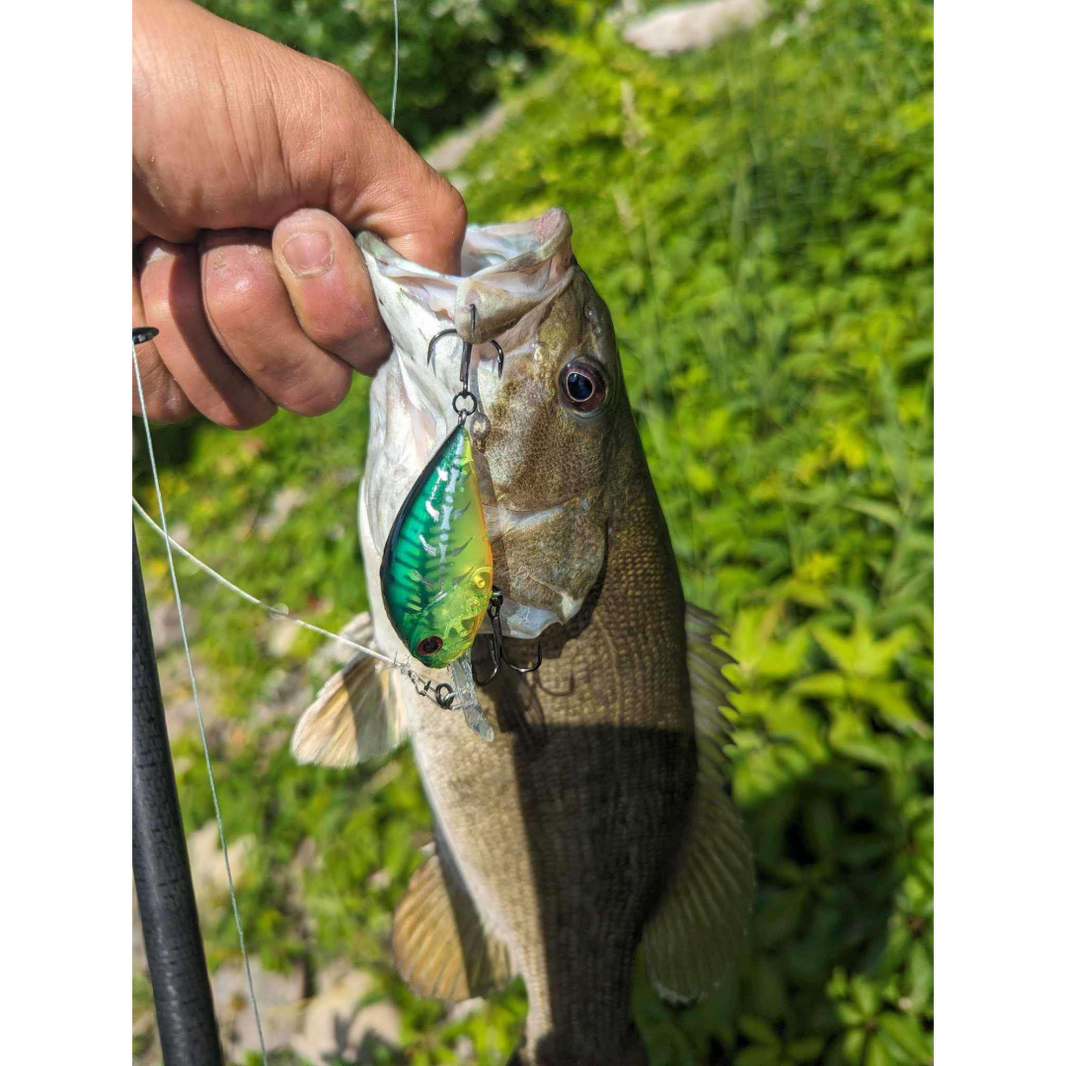




The best soft plastic to start with is one you can fish at the right depth and speed. Then use water clarity, temperature, and local forage to narrow down colour, size, and tail action. For bass, pike, and walleye, treat the selector below as a starting point, not a promise of bites.
Quick water-condition lure selector
Sizes are approximate lure lengths, not rules or a list of available inventory. Match the baitfish you see and adjust to the fish's response.
| Conditions | Bass | Pike | Walleye |
|---|---|---|---|
| Clear water, good light | Try 3–4 in.; green pumpkin or natural baitfish tones; subtle straight-tail twitches or a gentle paddle-tail swim. | Try 4–6 in.; perch or silver baitfish tones; steady paddle-tail retrieve with pauses. | Try 3–4 in.; translucent, pearl, or natural baitfish tones; controlled hops or a subtle straight-tail presentation. |
| Stained water or low light | Try 3–5 in.; chartreuse accents or a dark silhouette; paddle tail worked close to cover. | Try 5–7 in.; bright contrast or a dark profile; paddle tail retrieved steadily near likely holding areas. | Try 3–5 in.; chartreuse, pearl, or a dark contrasting colour; slow paddle-tail swim or short bottom hops. |
| Cold water or reluctant fish | Start around 2.5–4 in.; choose colour for clarity; straight tail with small movements and longer pauses. | Start around 4–6 in.; match local forage; slow glides or a paddle tail that still works at low speed. | Start around 2.5–4 in.; choose colour for clarity; straight tail with short lifts and pauses near bottom. |
| Warmer water with actively feeding fish | Try 3–5 in.; match forage; paddle tail with a steady swim or brief speed changes. | Try 5–7 in.; match forage; an active paddle tail to cover water. | Try 3–5 in.; match forage; paddle-tail swim near the depth where fish are feeding. |
Colour: choose visibility, then test
In clear water, natural or translucent colours are useful first choices. In stained water, try a brighter accent or a stronger dark silhouette. Neither approach wins every day: light, depth, background, and forage all change how a lure appears. If one colour draws follows but few bites, test a contrasting option before moving on.
Size: match the meal, not just the species
Start near the size of the baitfish present. A smaller profile can be worth trying when fish hesitate; a larger profile can suit larger forage or help a bait stand out. Pike do not always want the largest lure, and a small walleye bait is not automatically the best cold-water choice.
Action: paddle tail or straight tail?
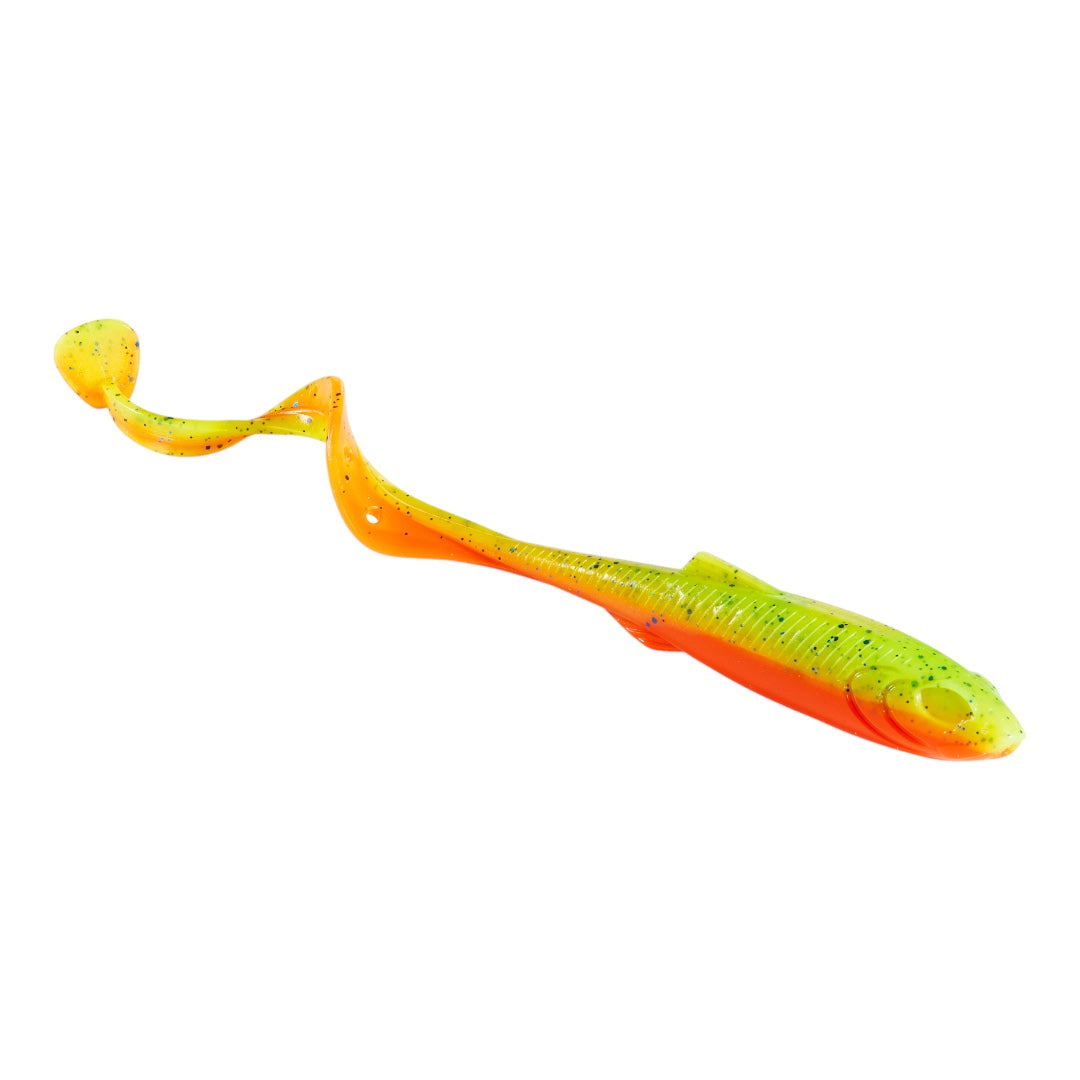
A paddle tail creates movement during a steady retrieve, making it a practical option for swimming a bait and searching water. A straight tail generally has less built-in movement and lets you control the action with small rod movements, pauses, or a near-still presentation. Tail shape and plastic softness matter: check the bait beside you to see whether it works at your intended speed.
Cold water is a reason to test slower presentations, not a ban on paddle tails. Warmer water is not a guarantee of aggressive fish. Let follows, short strikes, and bites guide your next adjustment.
Pair the plastic with the right jig head
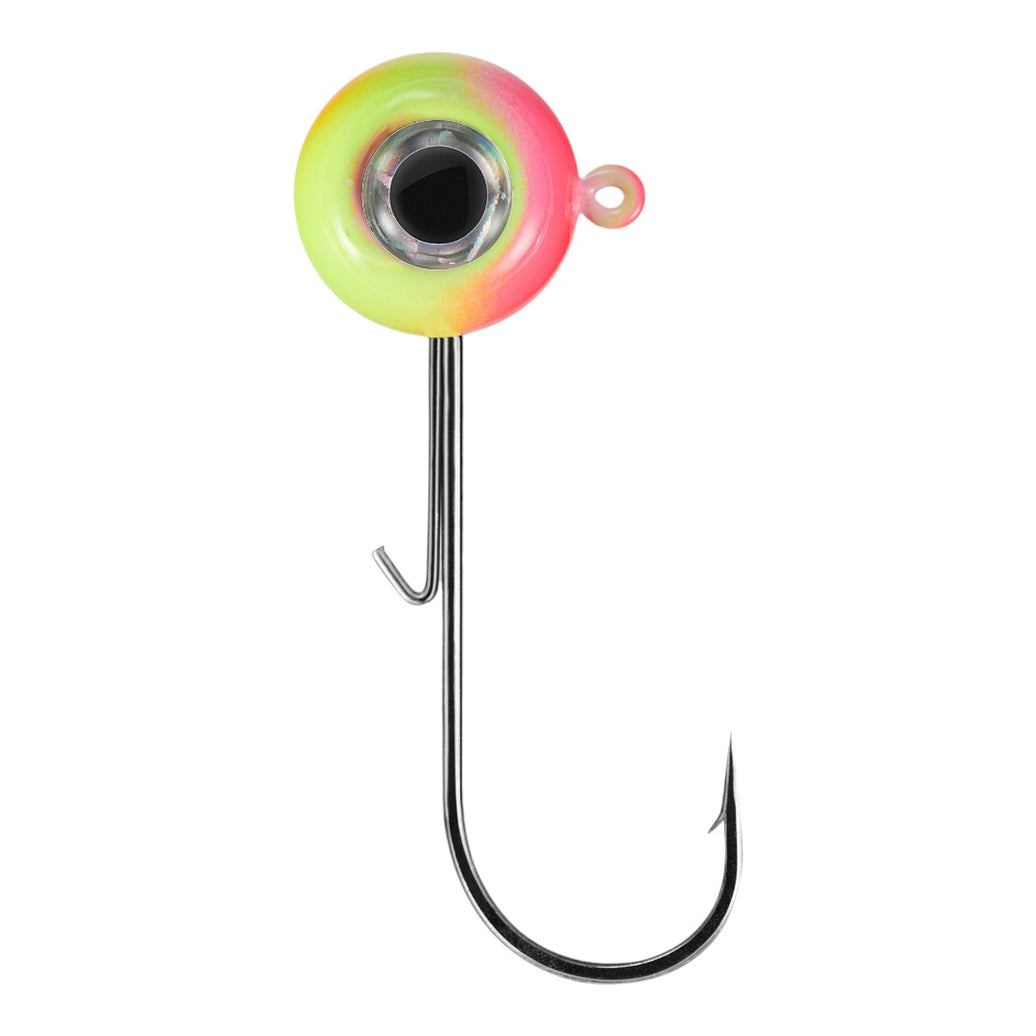
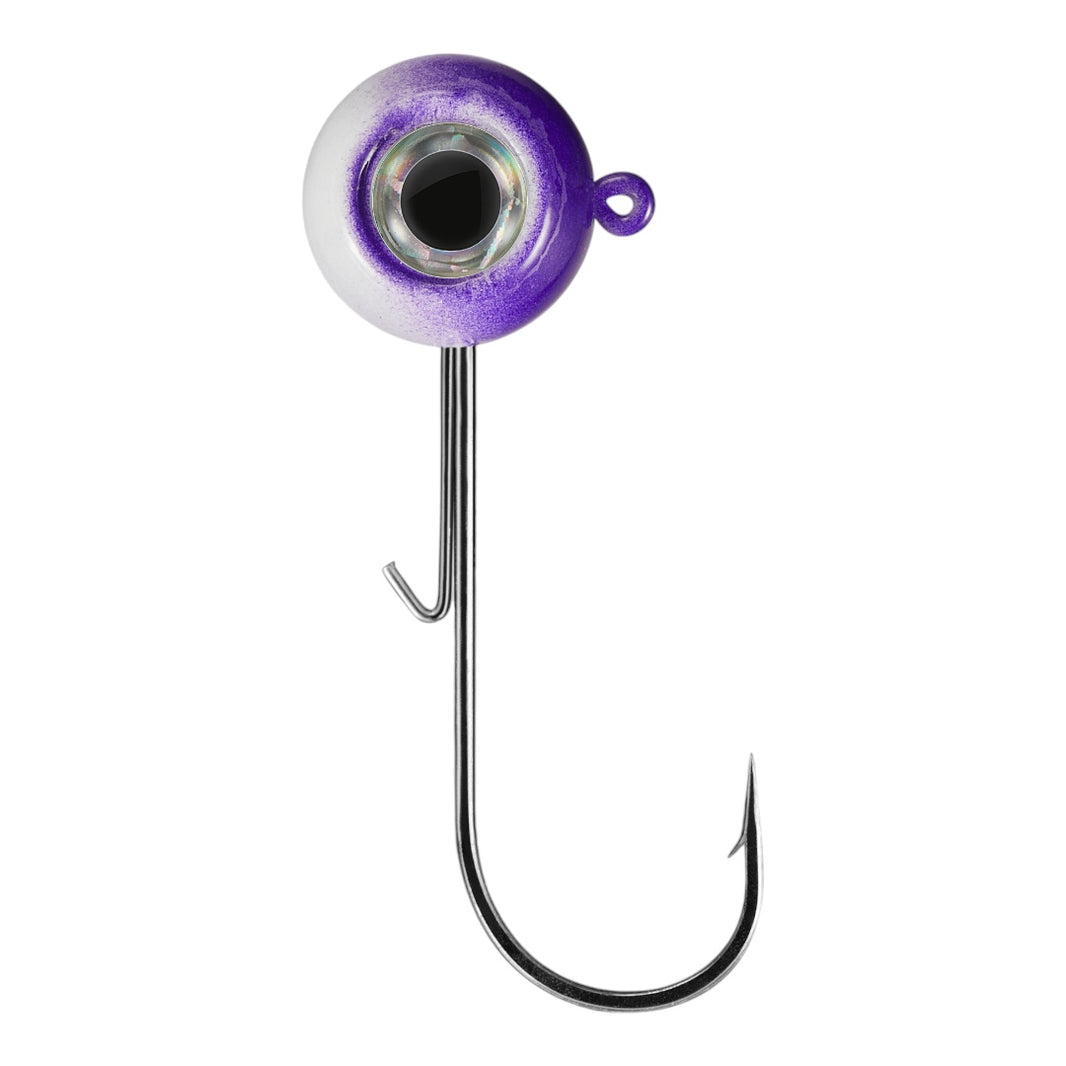
Browse our Soft Lures to compare profiles, then choose a compatible option from our Jig Head collection. Match the hook to the plastic's length and body thickness, rig it straight, and use enough weight to maintain the depth and control you need in the current and wind. Too much weight can rush the fall; too little can make the bait difficult to control.
On your next trip, start with one condition from the table. Keep depth and retrieve consistent, then change one variable at a time: colour, size, or action. That makes each bite, follow, or missed strike more useful.